7 Gut-Healthy Foods Backed by Science You Should Eat Daily
I never thought a bowl of sauerkraut could change my gut—and honestly, my mood—until I hit rock bottom with endless bloating and fatigue.
Nothing seemed to work. I was eating “clean,” exercising, even cutting out sugar. But something was missing.
I found the missing link during a random conversation at a farmers market with a 60-year-old beekeeper who said, “Your gut’s not just your gut. It’s your second brain.”
That phrase haunted me in the best way. I dove into research and started experimenting with gut-healthy foods backed by real science, not hype.
Here’s what actually made a difference—and what I now eat daily without fail.
1. Fermented Cabbage (a.k.a. Sauerkraut)—the Brain Fog Lifter I Didn’t Expect
I used to pass by sauerkraut jars in stores thinking they were for old-school hot dog stands. But the first time I added a tablespoon to my lunch, something clicked.
My energy felt steady, digestion smoother, and I didn’t get that 3 p.m. crash.
The science? Fermented foods like sauerkraut are rich in live probiotics that increase microbial diversity in your gut.
A 2018 study in Frontiers in Microbiology found that fermented vegetables significantly boosted Lactobacillus strains—good bacteria known to reduce inflammation.
My tip: Buy raw, unpasteurized sauerkraut in the refrigerated section. Heat kills the good stuff. Or better yet, ferment it yourself. It’s weirdly satisfying.
2. Resistant Starch in Cold Potatoes—My Gut’s Unexpected Best Friend
I stumbled onto this one while meal-prepping sweet potatoes. I left them in the fridge overnight and ate them cold the next day. No bloating. No gas. I Googled it immediately.
Turns out, cooling cooked potatoes creates resistant starch—a type of carb that resists digestion and becomes fuel for your gut bacteria.
A 2020 paper in Cell Host & Microbe showed it improves insulin sensitivity and helps gut flora thrive.
Now I chill my cooked potatoes, rice, or legumes. It’s simple, cheap, and quietly magical.
3. Kefir—The Creamy Sip That Replaced My Morning Coffee
I didn’t expect a drink to change my morning routine, but here we are. Kefir—a fermented milk drink—gave me light energy without the jittery coffee crash.
Kefir contains up to 30 strains of probiotics, far more than yogurt. A Nutrients journal review in 2021 highlighted its benefits for preventing gut dysbiosis and improving nutrient absorption.
Personally, my digestion felt calmer within a week. I blend it with frozen berries and flaxseed. It’s like my gut is sipping a smoothie spa.
4. Flaxseeds—Tiny Grains, Giant Impact on My Bathroom Routine
This one gets personal. I was dealing with, let’s say, “slow traffic” in the digestion department. A friend suggested flaxseeds. Within days of adding a spoonful to oatmeal, everything changed.
Flaxseeds are rich in soluble fiber and omega-3s. They act as prebiotics—food for your good bacteria.
A meta-analysis in Nutrition Reviews (2019) confirmed their role in improving gut motility and microbial balance.
Quick tip: Grind them fresh. Whole seeds often pass through undigested.
5. Miso—A Bowl of Soup That Feels Like a Hug From Inside
Miso soup always felt like comfort food, but I didn’t realize it was gut medicine too. After a stressful month, I started making it every night.
I slept better. My digestion improved. My skin even looked clearer.
Miso is a fermented soybean paste, full of probiotics and isoflavones. A Japanese study in Bioscience, Biotechnology, and Biochemistry found it supports immune response and gut flora diversity.
Real world tip: Use warm—not boiling—water to mix miso paste. High heat kills its live cultures.
6. Garlic—The Everyday Gut Guardian I Was Underrating
Garlic has always been in my kitchen, but I never saw it as a gut tool until I read a study on its prebiotic power. It feeds beneficial bacteria and may reduce harmful strains like E. coli.
A 2017 study in Food Science & Human Wellness showed garlic increases Bifidobacteria, essential for digestive balance.
Now, I mince a raw clove into salad dressings. Yes, it’s intense—but totally worth it.
7. Kimchi—Spicy, Funky, and Surprisingly Addictive
I hated kimchi the first time I tried it. It was too sour, too spicy. But when I gave it another chance, something changed. I craved it. And after a week of adding it to meals, I noticed my IBS symptoms calming down.
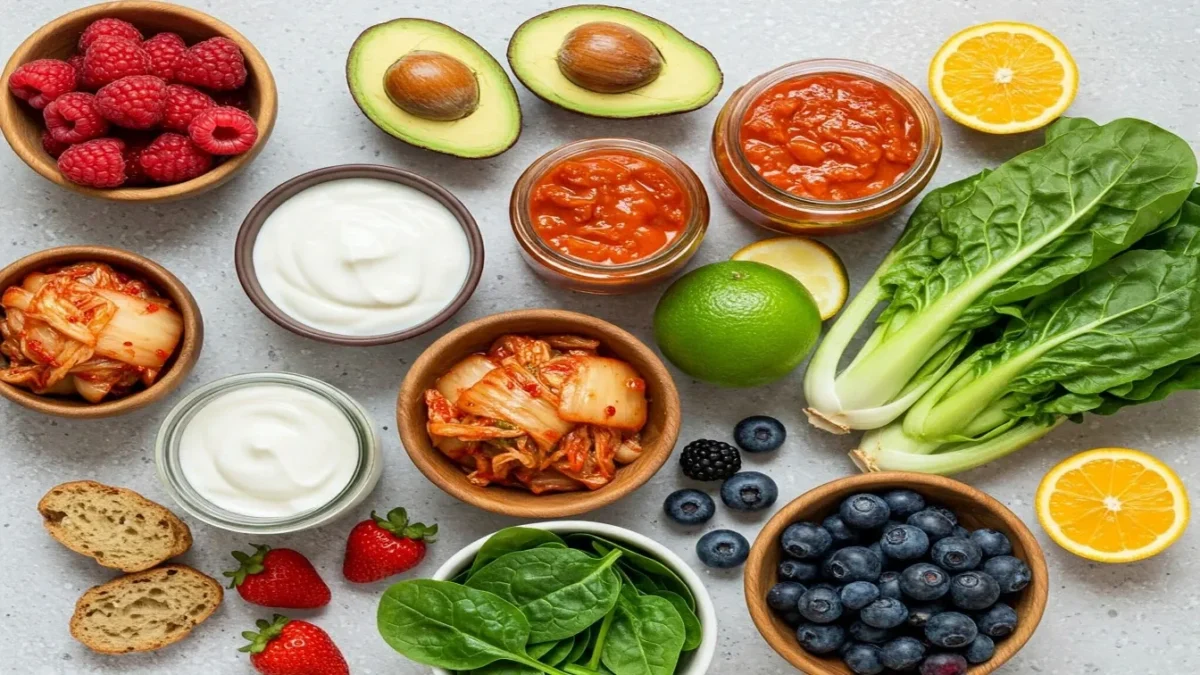
Kimchi is a powerhouse of Lactobacillus and antioxidants. A Korean study in Journal of Medicinal Food (2020) showed daily kimchi consumption led to significantly healthier gut microbiota and lower markers of inflammation.
Now I eat a spoonful with rice bowls or inside sandwiches. It’s my gut’s daily firecracker.
Final Thoughts—Small Foods, Big Shifts
Each of these foods didn’t just help my gut—they reshaped my routine, my mindset, and my energy. And they did it quietly. No supplements. No restrictive diets. Just simple foods with deep science and even deeper personal impact.
If you’re feeling stuck, start small. Maybe just cold potatoes this week. Or a spoon of sauerkraut. Your gut—and maybe your mood—might just thank you for it.

I am an experienced content writer specializing in finance, health, and technology. With a focus on creating SEO-optimized, research-driven articles, I aim to provide valuable insights that engage and inform readers. My work reflects a commitment to quality and accuracy, ensuring that each piece is backed by credible sources.