
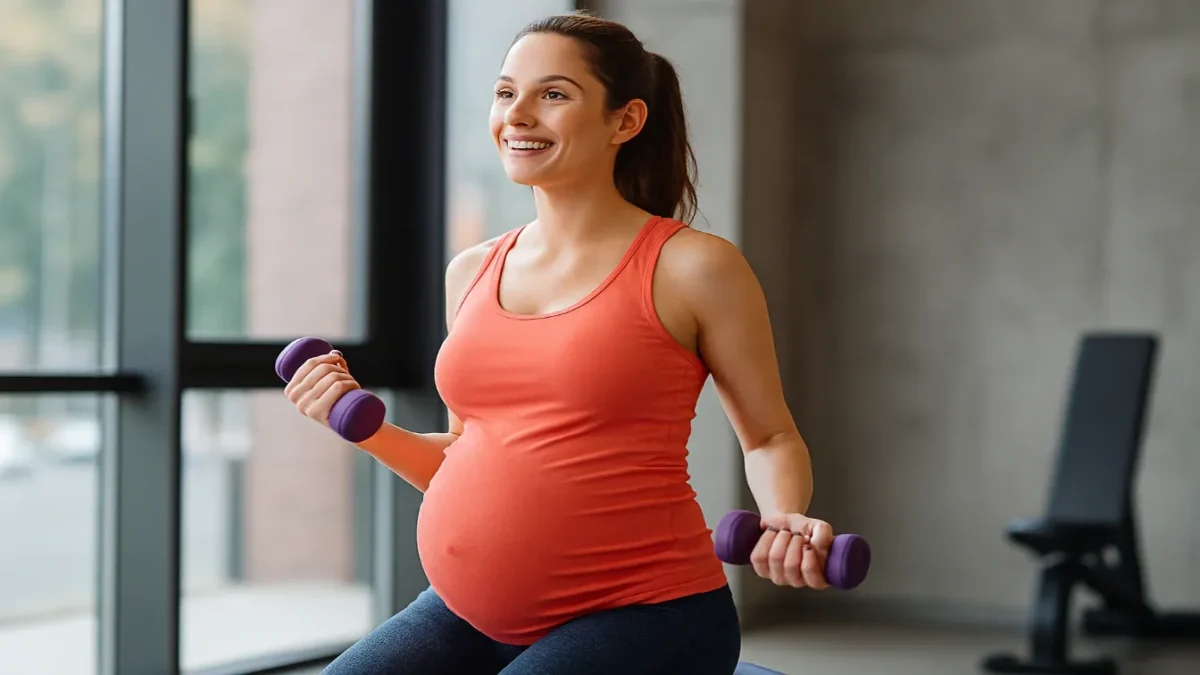
Can You Get Fit While Pregnant? Benefits, Safe Exercises, and Expert Tips
Can you get fit while pregnant? Yes, you can! In fact, staying active during pregnancy is not only safe but highly beneficial for both you and your baby.
With the right approach, you can safely get fit while pregnant, improve your overall well-being, and prepare your body for labor.
Always consult your doctor before starting any fitness routine, but with their guidance, you can enjoy a range of exercises that promote strength, energy, and a smoother pregnancy.
Is It Safe to Exercise During Pregnancy?
For most healthy pregnancies, exercise is not only safe but highly recommended by experts like the American College of Obstetricians and Gynecologists (ACOG). The key is to listen to your body and avoid activities that could put you or your baby at risk.
However, certain conditions like preeclampsia, placenta previa, or a history of miscarriage may require special precautions or rest. Always consult your OB-GYN before starting or continuing any fitness routine.
What Are the Benefits of Getting Fit While Pregnant?
Staying fit during pregnancy provides a wide range of physical and emotional benefits:
🤰 For the Mother:
- Reduces back pain and swelling
- Improves sleep quality
- Boosts energy levels
- Reduces constipation
- Promotes healthy weight gain
- Prepares your body for labor and delivery
- Improves posture and muscle tone
👶 For the Baby:
- Supports healthy fetal growth
- May lower risk of gestational diabetes and preterm birth
- Improves oxygen flow and nutrient delivery via healthy circulation
Key Insight: A 2019 study in the British Journal of Sports Medicine found that moderate exercise during pregnancy is associated with a 38% lower risk of cesarean delivery and a 39% lower risk of large-for-gestational-age newborns.
What Types of Exercise Are Safe During Pregnancy?
Most low-impact, moderate-intensity exercises are safe for pregnant women, especially if you were active before pregnancy. Here are top recommended workouts:
1. Walking
Simple, accessible, and low-stress on joints—ideal for all trimesters.
2. Swimming & Water Aerobics
Supports your belly, relieves swelling, and provides full-body movement with minimal strain.
3. Prenatal Yoga or Stretching
Improves flexibility, posture, relaxation, and breathing—excellent prep for labor.
4. Stationary Cycling
Safe for the cardiovascular system with low fall risk.
5. Strength Training with Light Weights
Helps build muscle tone and support your changing body, but avoid heavy lifting or straining.
6. Pelvic Floor Exercises (Kegels)
Supports bladder control and strengthens the muscles used during delivery.
For more information on this, visit also Safe exercises during pregnancy.
What Exercises Should Be Avoided During Pregnancy?
Not all workouts are pregnancy-friendly. Here’s what to avoid to keep you and your baby safe:
| Avoid These Activities | Reason Why |
|---|---|
| High-impact or contact sports (e.g. soccer, basketball) | Risk of trauma or falling |
| Hot yoga or hot Pilates | Overheating can be dangerous to the baby |
| Exercises lying flat on your back (after 1st trimester) | Can restrict blood flow |
| Heavy weightlifting or straining | Increases risk of injury or abdominal pressure |
| Scuba diving | May cause gas embolism in the fetus |
| Jumping or bouncing exercises | Strain on pelvic floor and joints |
Tip: As your pregnancy progresses, your center of gravity shifts. Always prioritize balance, stability, and comfort.
Can You Lose Weight Safely While Pregnant?
Pregnancy isn’t the time to focus on weight loss. Instead, the goal should be healthy weight management and gradual fitness improvement. If you’re overweight or obese, safe exercise and a balanced diet may help reduce excessive weight gain, which benefits both you and your baby.
Never restrict calories or try intense workouts to lose weight. Instead, eat nutrient-dense foods and engage in safe, regular activity. Let weight balance happen naturally as part of a healthy pregnancy.
How Often Should You Exercise While Pregnant?
Experts recommend about 150 minutes of moderate-intensity exercise per week—roughly 30 minutes per day, five times a week. This can be broken into smaller sessions if needed.
If you’re just starting out, begin with 5–10 minutes per day and gradually build up. The key is consistency, not intensity.
How to Know If You’re Overdoing It?
Watch for warning signs like:
- Vaginal bleeding or fluid leakage
- Dizziness or headaches
- Shortness of breath before starting
- Chest pain or rapid heartbeat
- Painful contractions
- Calf swelling or muscle weakness
If you experience any of these symptoms, stop exercising and consult your healthcare provider immediately.
What Should a Beginner Prenatal Workout Look Like?
A beginner-friendly fitness plan can include:
| Day | Activity | Duration |
|---|---|---|
| Monday | Brisk walking + light stretching | 30 mins |
| Tuesday | Prenatal yoga | 30 mins |
| Wednesday | Rest or gentle pelvic tilts | — |
| Thursday | Swimming or stationary cycling | 30 mins |
| Friday | Strength training (bodyweight/light dumbbells) | 20–30 mins |
| Saturday | Leisure walk or gardening | 20 mins |
| Sunday | Rest | — |
Remember: Modify based on your energy levels. Pregnancy is not the time to push limits—it’s about building strength gently.
Can Getting Fit During Pregnancy Help With Labor?
Yes! A fit body can handle the physical demands of childbirth better. Exercise strengthens the core, back, and pelvic floor muscles—key areas used during labor and delivery. It also improves stamina and mental focus, helping you cope better with contractions and fatigue.
Many women who stay fit during pregnancy report shorter labor durations and smoother recoveries postpartum.
Final Thoughts: Yes, You Can—and Should—Stay Fit While Pregnant
Being pregnant doesn’t mean pressing pause on your fitness. In fact, it’s the perfect time to tune in to your body, move with intention, and prepare for motherhood. With the right guidance, proper support, and regular movement, you can enjoy a healthier pregnancy, easier delivery, and faster bounce-back—both physically and emotionally.
Key Takeaways
- ✅ Yes, you can get fit while pregnant—with your doctor’s guidance.
- 🧘♀️ Safe exercises include walking, swimming, yoga, and light strength training.
- ⚠️ Avoid contact sports, overheating, heavy lifting, and exercises that strain the belly.
- 🤱 Staying fit supports both your body and your baby’s health.
- 💪 A stronger body helps make labor and recovery easier.
FAQs
Can I start exercising if I wasn’t active before pregnancy?
Yes, you can start with light activities like walking or prenatal yoga. Begin slowly and gradually increase the duration. Always get your doctor’s approval first.
How do I know if I’m working out too hard?
If you can’t talk comfortably while exercising, feel dizzy, overheated, or experience any pain, you’re likely overdoing it. Slow down and listen to your body.
Is it okay to do ab workouts while pregnant?
Some core-strengthening exercises are safe in moderation, especially in early pregnancy. Avoid crunches and any movement that strains your abdominal muscles as the belly grows.
What’s the best time during pregnancy to start fitness routines?
The second trimester (weeks 13–27) is often ideal since many women feel more energetic and morning sickness has subsided. However, it’s safe to begin earlier or later depending on how you feel.
Can exercise cause miscarriage?
There’s no evidence that moderate, doctor-approved exercise causes miscarriage in healthy pregnancies. In fact, staying active is usually encouraged.
Disclaimer: This article is intended for informational purposes only. For medical advice or diagnosis, consult a professional.

I am an experienced content writer specializing in finance, health, and technology. With a focus on creating SEO-optimized, research-driven articles, I aim to provide valuable insights that engage and inform readers. My work reflects a commitment to quality and accuracy, ensuring that each piece is backed by credible sources.


