How Chia Seeds Help Control Blood Sugar
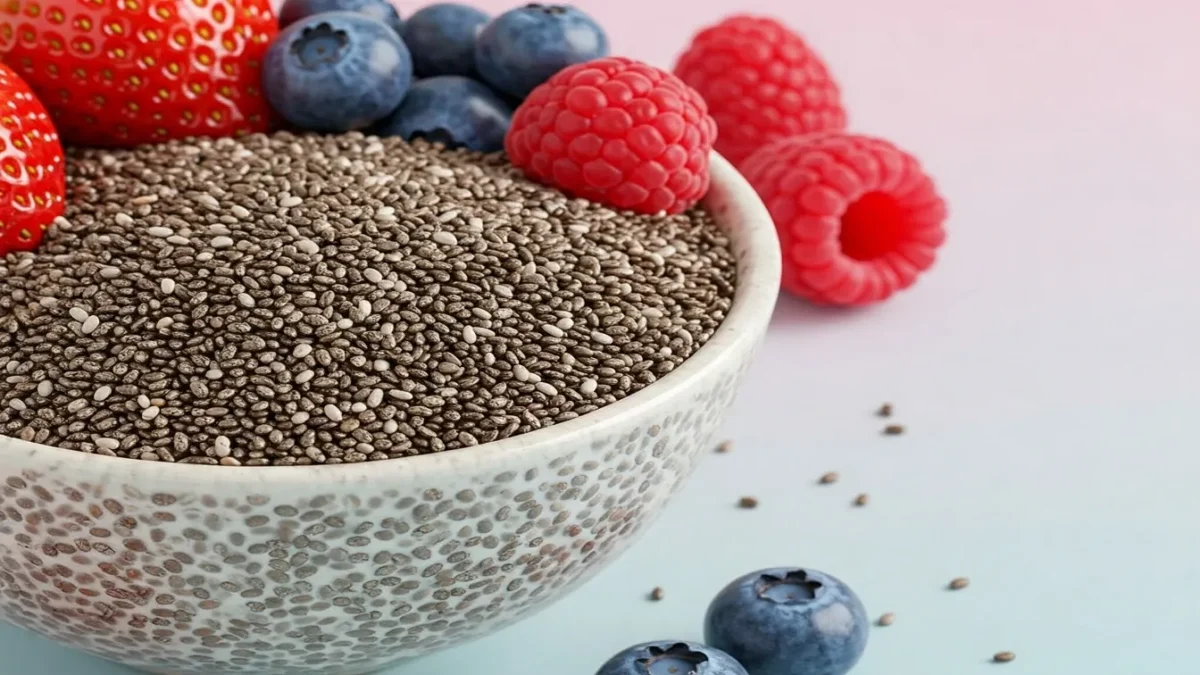
If you’re looking for a simple way to support healthy blood sugar levels, chia seeds might surprise you. These tiny black seeds are packed with more than just fiber and omega-3s—they may help regulate blood sugar naturally. And the best part? You can add them to almost anything.
What makes chia seeds special is how they behave once eaten. When soaked, they form a gel-like coating, which slows down how fast your body absorbs carbs. That means fewer blood sugar spikes after meals—a real win for anyone watching their glucose.
Even if you’re not diabetic, stabilizing blood sugar helps with energy, mood, and even cravings. So, let’s dig deeper into how chia seeds actually work inside your body.
Can chia seeds really stabilize blood sugar after meals?
Yes—and here’s why. Chia seeds are high in soluble fiber, which slows digestion and creates a steady release of glucose. This means fewer sugar crashes and more consistent energy.
When you eat refined carbs, your blood sugar often rises fast and crashes hard. But adding chia seeds helps soften that spike. The gel they create forms a barrier, delaying how quickly sugar enters the bloodstream.
One small study even found that people who added chia to white bread had lower sugar responses than those who didn’t. It’s a small change, but it can make a big impact.
How many chia seeds should you eat for blood sugar support?
Most people do well with 1 to 2 tablespoons a day. That’s enough to provide the fiber and nutrients your body needs to respond better to carbs.
You can mix them into yogurt, smoothies, or even water with lemon. Letting them soak for 10–15 minutes before eating is key—it activates the gel effect that slows digestion.
Some experts say splitting your intake between meals works better. Try half in the morning and the rest later in the day for steady benefits.
Do chia seeds work better than flax or oats for blood sugar?
Chia and flax are both great—but chia has the upper hand in gel formation. That thick gel is the real magic for blood sugar regulation.
Unlike oats, which contain more starch, chia seeds are almost all fiber and healthy fats. This helps you feel full without raising blood sugar.
Another bonus? Chia contains alpha-lipoic acid (ALA), an antioxidant that may support insulin sensitivity—something most people don’t know.
Key Takeaway:
Chia seeds are a natural, easy way to help control blood sugar. Just a spoonful a day can slow sugar absorption, support insulin response, and keep energy stable. For best results, soak them first and enjoy consistently—not just once in a while.
Want to take it further? Combine chia seeds with a protein-rich breakfast and watch your blood sugar stay steady for hours.

I am an experienced content writer specializing in finance, health, and technology. With a focus on creating SEO-optimized, research-driven articles, I aim to provide valuable insights that engage and inform readers. My work reflects a commitment to quality and accuracy, ensuring that each piece is backed by credible sources.